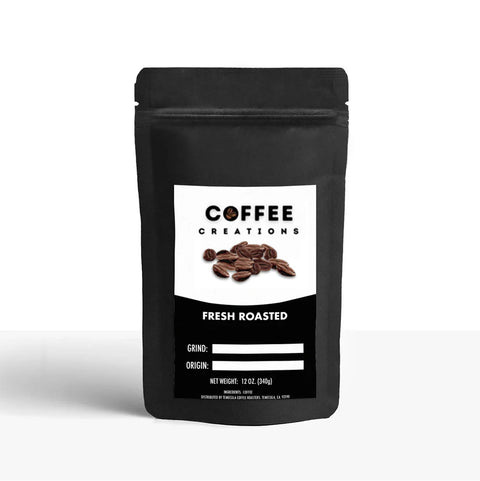
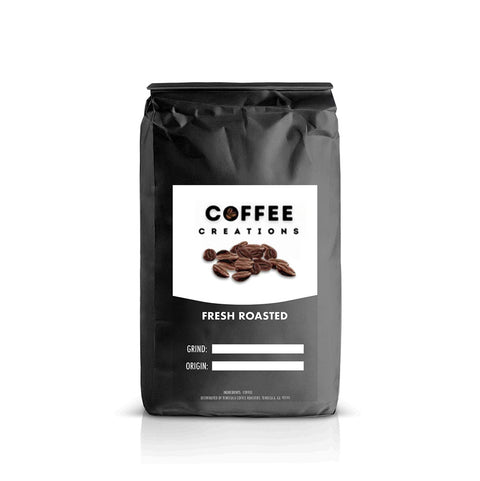
Coffee bags may seem simple at first glance: beans on the inside, branding on the outside, and maybe a few labels we most often skim past. On closer inspection, you will realize that there’s a lot more going on. Every coffee bag tells its own unique story about where the beans come from, how they were roasted, and what flavor profile you can expect.
Once you know how to read that story, choosing coffee becomes a lot more interesting. And you wouldn’t have to buy a bag just because it looks good on the shelf; you will actually be able to tell whether the coffee will be bright or bold, smooth or intense, and whether it will have the same flavor profile you like.
It’s All In The Name
The name is the very first thing you notice as soon as you hold the coffee bag, and it is rarely random. There’s a lot you can learn from the bag, such as its origin, flavor profile, and more.
Some names are direct and informative. When you see a country name or the words "single origin or blends," it usually means the beans come from a specific place. Other names can lean into flavor cues or personality that tell you exactly what the cup may taste like.

For example, a blend like Turtle Coffee can lean into nutty flavors, while Cinnabun or Cinnamon hazelnut can signal bakery-style comforting tastes.
Good coffee will immediately set expectations and deliver. If the name sounds luxurious and rich, then that’s what you can expect from the taste. The name is always in bold and at the center, demanding attention, so it is not just branding but the first introduction to the coffee.
Where Your Coffee Comes From
Coffee is a direct representation of its origin. Once the brand name grabs your attention, the next thing people look for is its origin. Coffee is strongly influenced by its environment. The country, altitude, and climate all play a big role in how coffee beans develop and ultimately taste. For example, coffee from Ethiopia will taste very different from coffee grown in Brazil, even if they are roasted the same way.
Some bags maintain the mystery and keep it simple by listing the country, while others go deep, mentioning details such as the specific region and even the farm. This is what coffee enthusiasts love.
Transparency is everything. The more transparent coffee companies are, the more care and intention they reflect.
Roast Level: Light, Medium, or Dark
Once you spot the name and origin, your eyes naturally move to the roast level. This small detail carries a lot of weight. It shapes how the coffee smells, tastes, and even how it feels in your cup.
It is a common misconception that roast level reflects how strong the coffee is; instead, it shows how long the beans were roasted and how much of their natural character remains.
Light roasts are roasted for a very short time, and that preserves the bean’s original flavors. This is why you’ll often notice brighter acidity and clearer tasting notes.
Medium roasts strike a balance where some of the bean’s natural acidity remains, but roasting it adds a lot more sweetness and body to the coffee.
Dark roasts are roasted the longest, and this is when the roast flavor overpowers and becomes dominant. You are likely to notice a bolder note like cocoa or smoke. In dark roasts, the acidity drops, and the body feels heavier. This is often preferred by those who enjoy strong and intense coffee.
Quick Roast Guide
|
Roast Level |
Acidity |
Flavor Style |
Body |
Best For |
|
Light |
High |
Bright, fruity, floral |
Light |
Pour-over, AeroPress |
|
Medium |
Medium |
Balanced, sweet, smooth |
Medium |
Drip, French press |
|
Dark |
Low |
Bold, smoky, rich |
Heavy |
Espresso, Moka pot |
It is possible for your coffee bag not clearly mention the roast level.

So instead, you should look for the tasting notes. If it says "fruity and floral," that means a lighter roast. However, if it says chocolatey and nutty, then that points to medium roast, as smoky and bold tones hint at dark roasts.
Processing Methods
Another detail that often flies under the radar is the processing method. This tells you how the coffee was treated after harvesting, and it has a big impact on flavor, sweetness, and body.

-
Washed (or wet) process
The beans are fermented in water to remove the fruit before drying. This creates a clean, bright cup with clear acidity, perfect if you enjoy crisp, fruity notes.
-
Natural (or dry) process
Beans are dried inside the fruit, which adds fruitiness, body, and sometimes a wine-like sweetness. Expect more bold, expressive flavors.
-
Honey process
Partway between washed and natural, this method leaves some fruit on the bean while drying. The result is a slightly sweet, well-rounded coffee with a soft body.
Knowing the processing method helps you predict what the cup will taste like after brewing. It’s not essential for beginners, but once you notice the patterns, it becomes a simple way to choose coffee that matches your taste.
How To Make The Most Of Your Beans
Reading a coffee bag is just the tip of the iceberg. The real magic happens when you take what you have learned and turn it into a cup. Even the best of the best beans won’t shine if they’re not stored properly, or ground too early, or brewed without much care.

Here’s how to get the most from every bag you buy:
-
Buy in small batches; coffee is at its peak for a few weeks after roasting. Smaller quantities mean you can finish them while they’re fresh.
-
Always look for when the beans were roasted, not just the “best before” date. Freshness matters more than marketing.
-
Keep beans in an airtight container, away from light, heat, and moisture. Skip the fridge or freezer for daily use.
-
Grind just before brewing. Coffee starts losing aroma and flavor as soon as it’s ground. Grind only what you need for each cup.
-
Match the grind to your brew method: fine for espresso, medium for drip, coarse for French press. The right grind brings out the flavors you read about on the bag.
-
Follow the bag’s suggestions, but don’t be afraid to tweak ratios, water temperature, or brew time to suit your taste.
If you want coffee beans that set the standard high, then you must try Coffee Creations’ freshly roasted coffee.